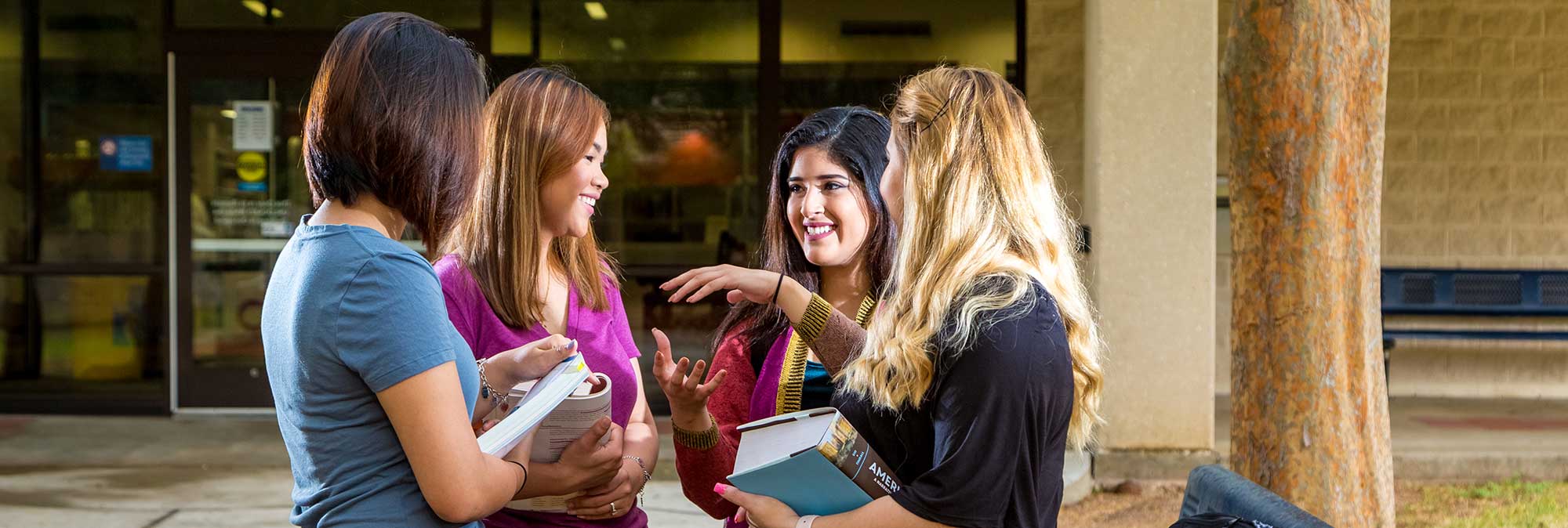
San Jac program prepares next generation of biomedical equipment technicians
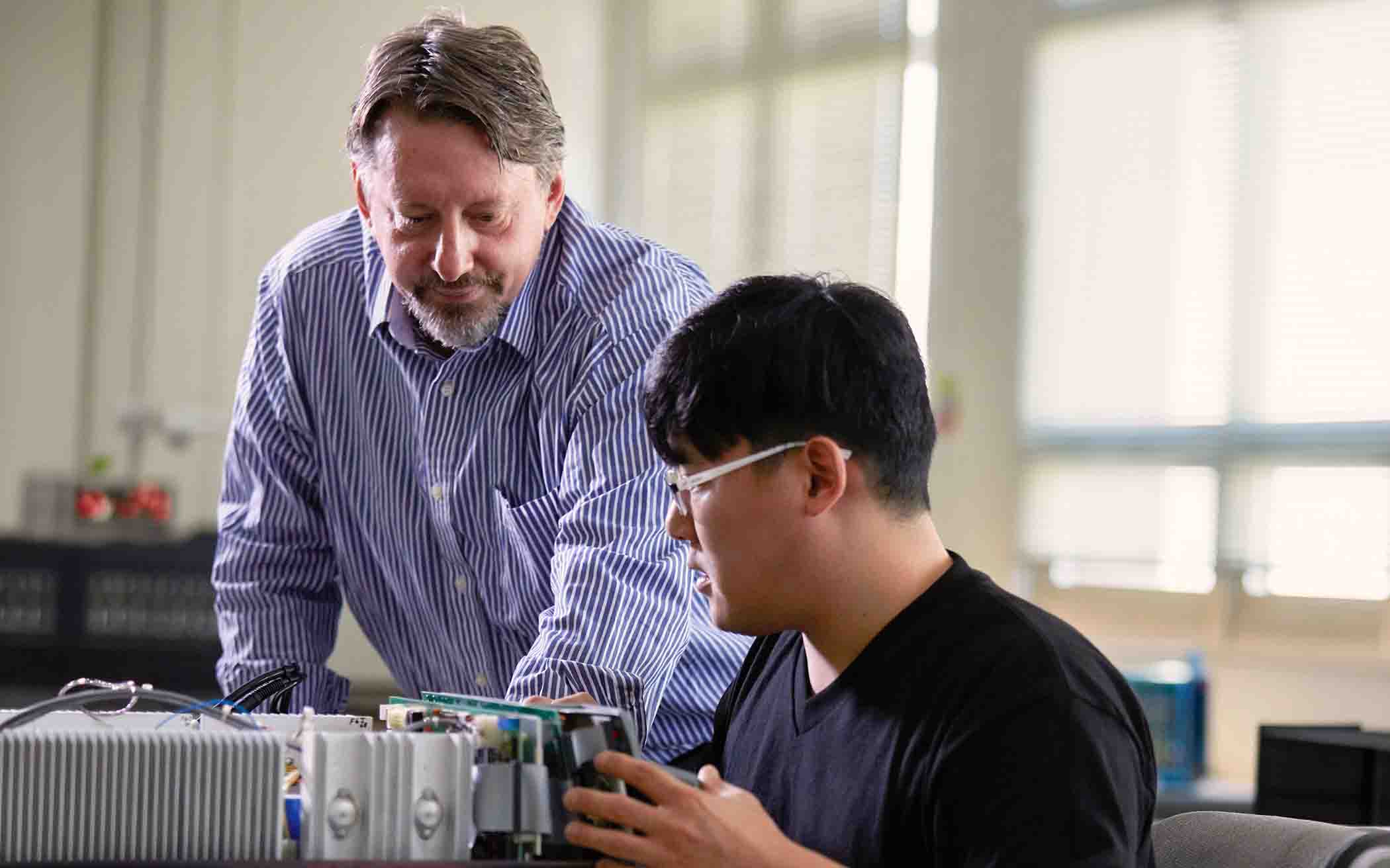
Michael Brown, professor in San Jacinto College’s biomedical clinical equipment technician program, took a long road to the classroom.
It began in 1976, when he joined the U.S. Navy and learned that he was good at fixing things. He took a job repairing copiers, managing biomedical equipment repair for his father’s respiratory equipment company, and travelling South Texas repairing ventilators for manufacturer Bear Medical. After working at several Houston hospitals and opening a small business, he spent nine years at the University of Texas Medical Branch at Galveston. Then he heard about an opening at San Jac.
A calling takes shape
In 2013, San Jac planned to launch the program to meet industry demand for technicians who maintain, calibrate, troubleshoot, and repair medical equipment used to monitor and treat patients. Brown was hired to build it and write the curriculum from scratch.
“It was a brand-new program,” Brown said. “There were no adjuncts or anything, just me and an oxygen concentrator given to me by a friend.”
The program began that fall with seven students. Today, it has 120, and Brown said enrollment is at an all-time high. Three adjunct instructors, all of whom work full time in the industry, now teach alongside him.
Despite the technology involved, Brown said students do not need to arrive with advanced technical expertise, just an eagerness to solve problems. In the first week of class, Brown often asks students how many have taken something apart just to see how it worked. Most hands go up.
“Curiosity is probably the biggest quality someone needs to succeed in this industry,” Brown said.
Franz Lozano Jr. is one of those students. After serving in the U.S. Army, Lozano worked in industrial fields before returning to school for the first time in about a decade.
"I'm a real hands-on person," Lozano said. "I chose this program because I really like working with my hands, but I also like helping people."
More than fixing machines
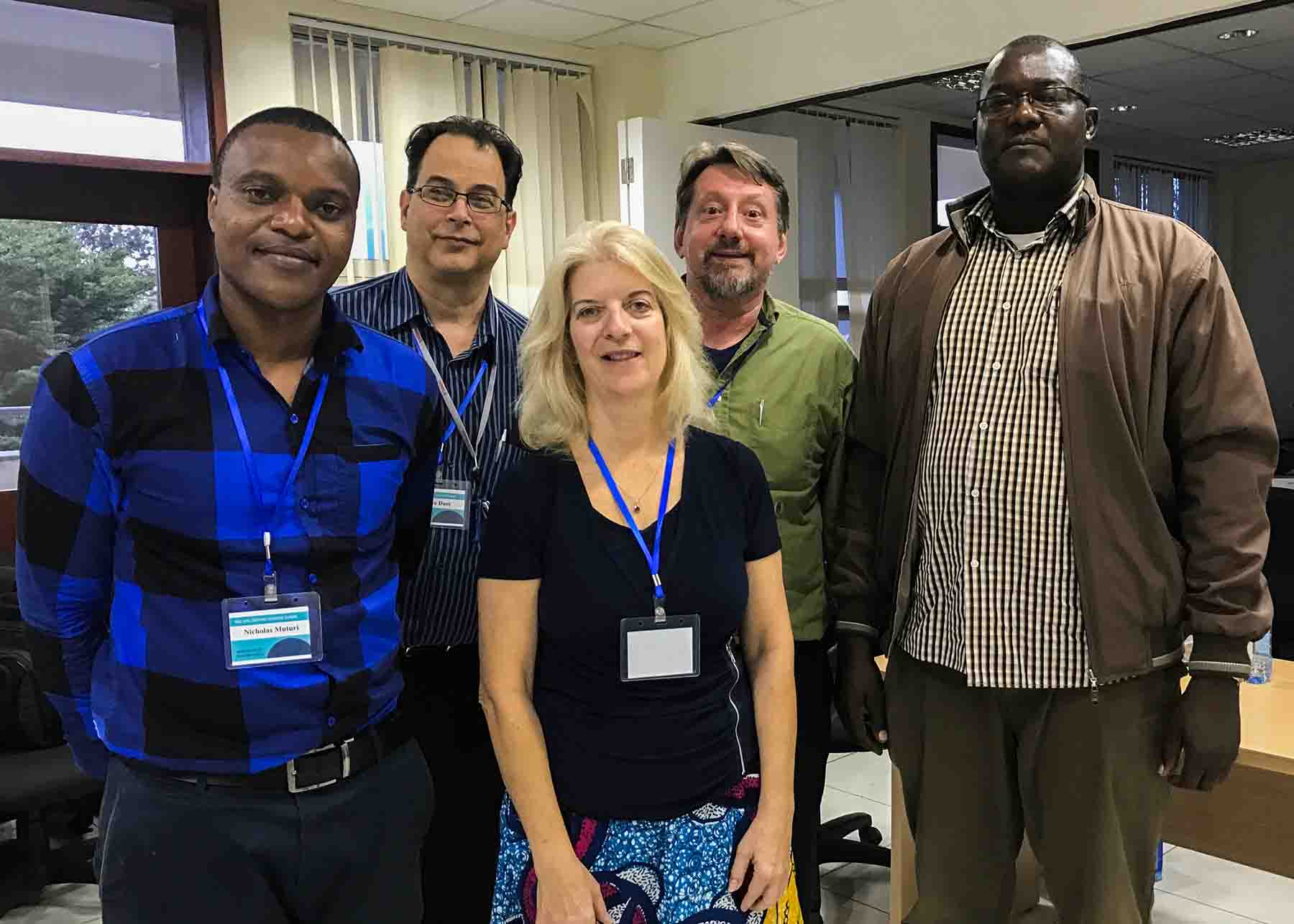
Brown’s experience in the industry has taken him beyond the classroom and beyond the United States.
In 2016, UTMB offered him a position traveling to Kenya to help train technicians on laboratory equipment repair. Brown made six weeklong trips collaborating with colleagues in rural Kenyan communities.
“I really enjoyed it,” he said. “The people were wonderful, and it was a great opportunity.”
Experiences like that are part of what makes biomedical equipment technology such a varied field. Biomedical equipment technicians often work behind the scenes, and though many people have benefited from their services, most have never heard of the profession.
Despite that, the field continues to grow. According to the U.S. Bureau of Labor Statistics, employment of medical equipment repairers is projected to grow 13% from 2025 to 2035, much faster than the average for all occupations. About 8,200 openings are projected each year during that period.
Keeping the future running
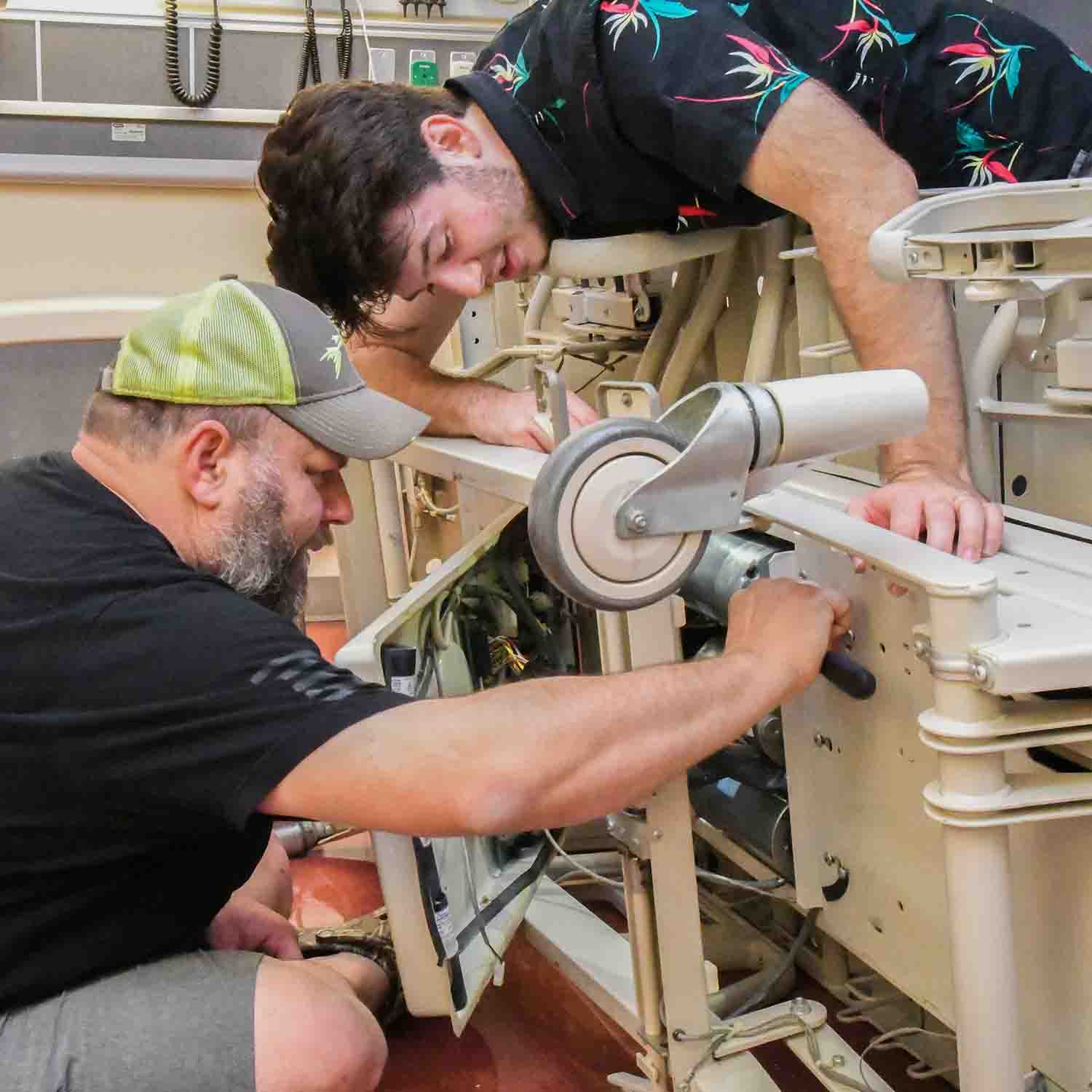
The work requires more than technical ability. Technicians work with healthcare professionals who rely on the equipment to save lives, so communication, time management, and adaptability are important parts of the job.
“You have to have soft skills,” Brown said. “It does require being able to talk to people and working together.”
Most broken equipment is pulled from patient rooms before it is repaired, but Brown has worked around medical teams in endoscopy rooms and even surgery when repairs are urgent.
For Lozano, staying a step removed from the bedside is part of the appeal.
"This is a great way to still help without being right there with the patient. I'll be fixing the machines that save lives," he said.
For Brown, the program built more than a decade ago has become a way to pass his experience and skill to the technicians who will keep medical equipment running for years to come.
Learn more about the biomedical clinical equipment technician program
About San Jacinto College
Surrounded by monuments of history, evolving industries, maritime enterprises of today,
and the space age of tomorrow, San Jacinto College has served the people of East Harris
County, Texas, since 1961. The College is ranked second in the nation among more than
1,100 community colleges, as designated by the Aspen Institute and was named an Achieving
the Dream Leader College of Distinction in 2020 and 2026. As a Hispanic-Serving Institution
that spans five campuses, plus an online college, San Jacinto College serves approximately
45,000 credit and non-credit students annually. It offers more than 200 degrees and
certificates across eight major areas of study that put students on a path to transfer
to four-year institutions or enter the workforce. The College is fiscally sound, holding
bond ratings of AA+ by Standard & Poor’s and Aa2 by Moody’s. San Jacinto College is
accredited by the The Commission on Colleges and Universities.